The 2nd Annual MUBS TAX Conference
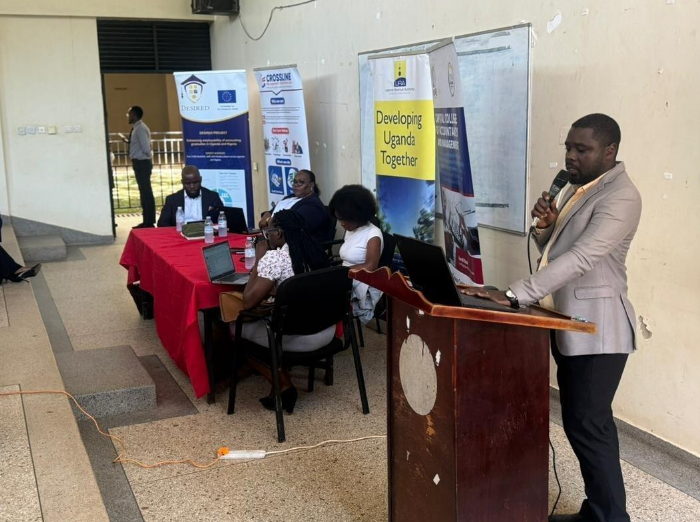
The 2nd Annual MUBS Tax Conference was held on 21st April 2026 at ADB Theatre
2, Makerere University Business School (MUBS). The Conference was organized by
the MUBS TAX SOCIETY with support from the DESIRED Project, the conference
brought together students, academic staff, industry practitioners, and representatives
from peer universities to explore timely issues at the intersection of taxation, financial
literacy, and professional development.
The conference was themed “Building a Tax-Alert Generation: Insights and
Opportunities.” This theme reflected the growing recognition that Uganda’s future
economic competitiveness depends significantly on nurturing a generation of young
professionals who are not only technically proficient in taxation but are also aware of their
roles as taxpayers, advisors, and advocates for fiscal transparency.
The event was conducted in line with Activity 4.3 of Work Package 4 of the DESIRED
Project, which focuses on Industry Engagements and Employer Relationships Building. It
reinforced the project’s broader objective of strengthening Work Integrated Learning
(WIL) approaches within Accounting Education by bridging the gap between academic
instruction and professional practice.
The conference also drew participation from representatives of university tax societies
and peer institutions, including UCU Tax Society, Victoria University, and Nkumba
University, underlining the regional relevance and collaborative spirit of the initiative.
The engagement reflects the DESIRED Project’s wider mission of strengthening employability and life skills through industry-linked learning opportunities, while also promoting accounting and finance as relevant and dynamic fields for young people. By bringing together student leaders, regulators, and education stakeholders, the programme created a meaningful platform for mentorship, awareness, and inspiration. It also demonstrated the importance of early financial education in preparing the next generation to participate confidently in the economy and make sound financial choices. The programme also highlights the sustainability potential of the project activities to ensure that young scholars are exposed to WIL activities that they can later share with others.