Enhancing employability of accounting graduates in Uganda and Nigeria by Integrating Employability Skills into Accounting Education using Work-Integrated Learning Approach (DESIRED).
Project Outcomes
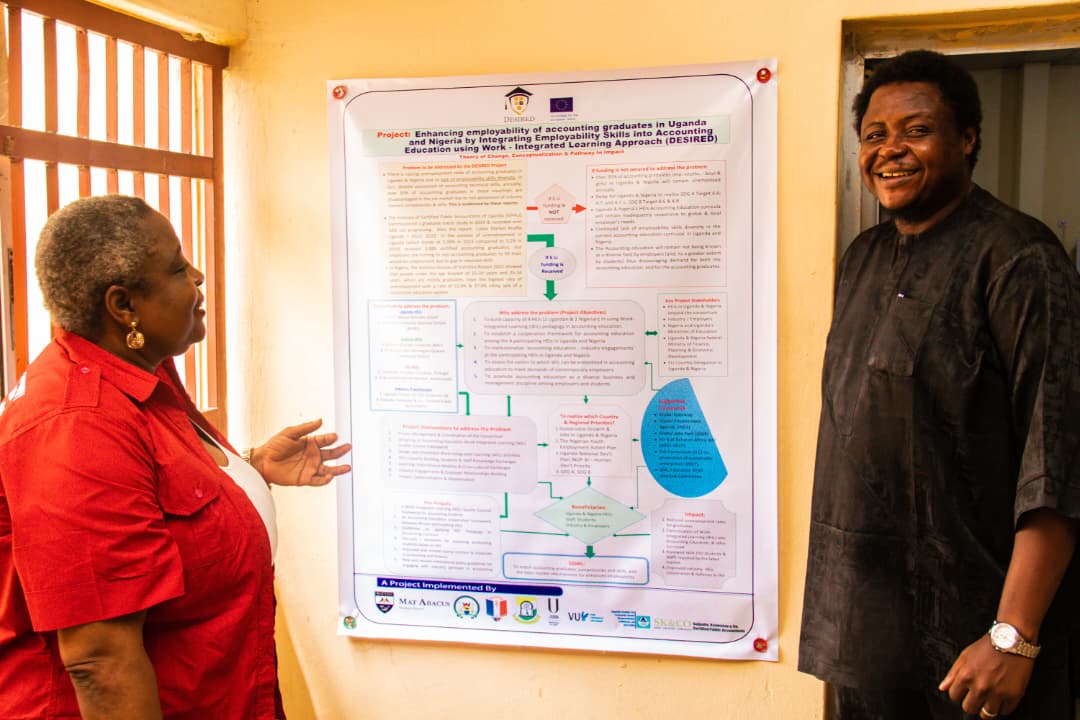
The DESIRED Project outcomes include enhanced employability of accounting graduates through Work-Integrated Learning, stronger collaboration between universities and industry, improved accounting curricula, and institutional capacity building. The project also fosters international mobility, knowledge exchange, and policy alignment, resulting in skilled, work-ready graduates, reduced youth unemployment, and sustainable partnerships that advance accounting education in Uganda and Nigeria.
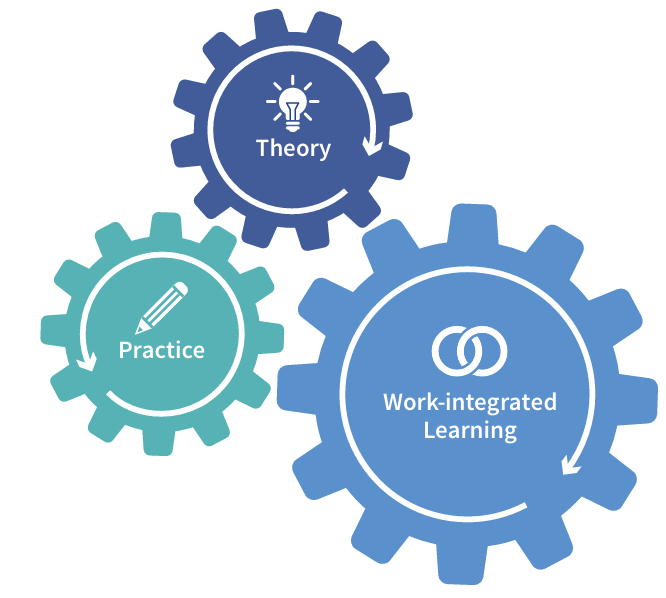
The DESIRED project will employ a Work-Integrated Learning (WIL) approach to integrate employability skills into accounting education so as to enhance employability of accounting graduates. WIL is a form of curricular experiential education that formally integrates a student’s academic studies (Theory) with quality experiences within a workplace (Practice) setting. WIL is both a pedagogical strategy & approach. In practice, WIL involves a collaborative partnership between an academic institution (HEI), a host organization, and a student In the specific context of DESIRED, WIL will occur at the course or program level and will include the development of student learning objectives & outcomes related to employability, agency, knowledge, skill mobility and life-long learning
Employability Skills
Students develop accounting professional identity & employability capabilities from the onset of their course of study
Opportunity Identification
Accounting students are better prepared for early talent identification programs and recruitment schemes. E.g., ‘Graduate Into Employment’ schemes of most recruiters.
Quality Training
Access to quality and responsive accounting education, thus encouraging and enabling African students & staff to undertake accounting studies at all levels within the African continent
Project Methodology
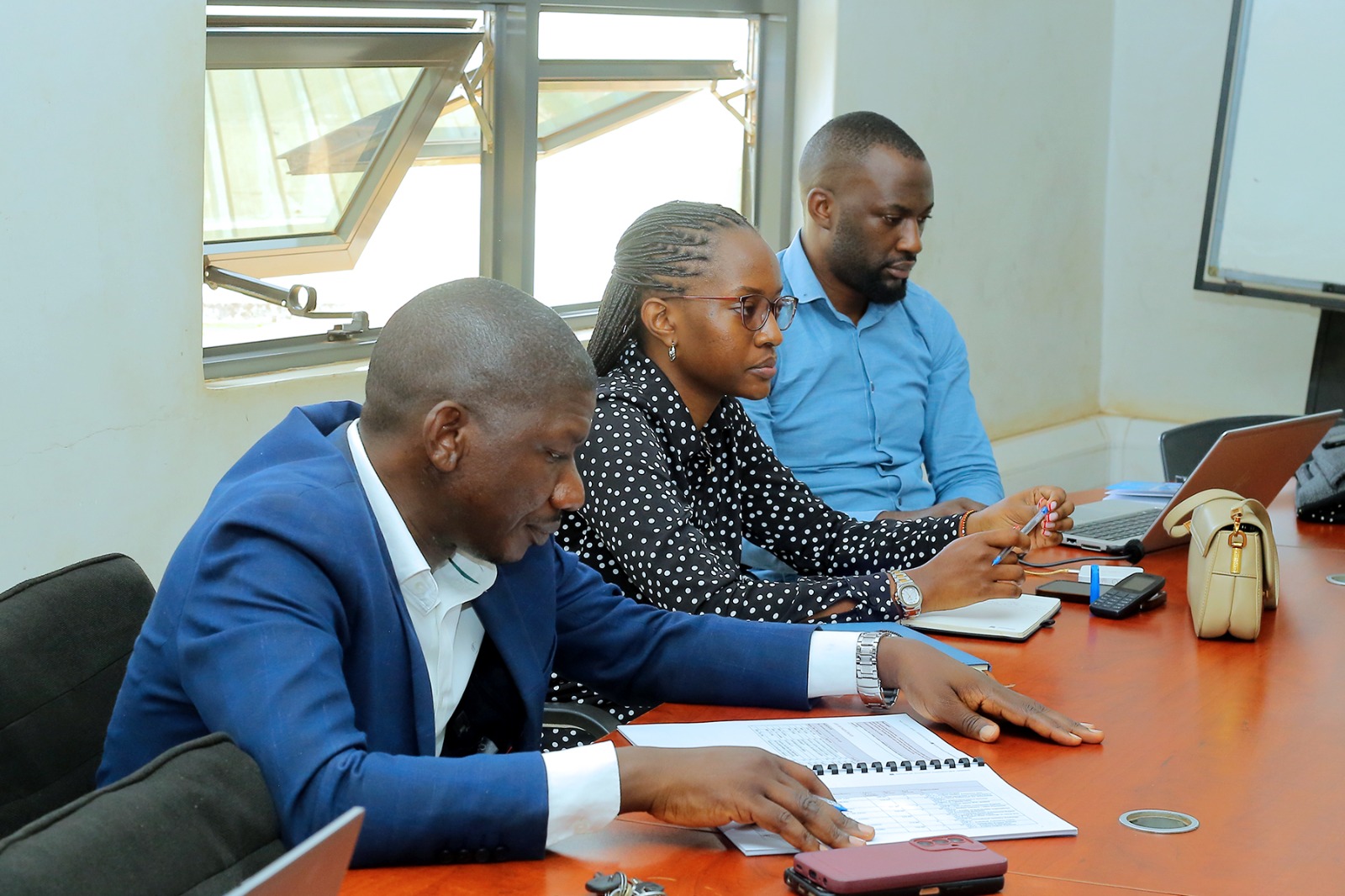
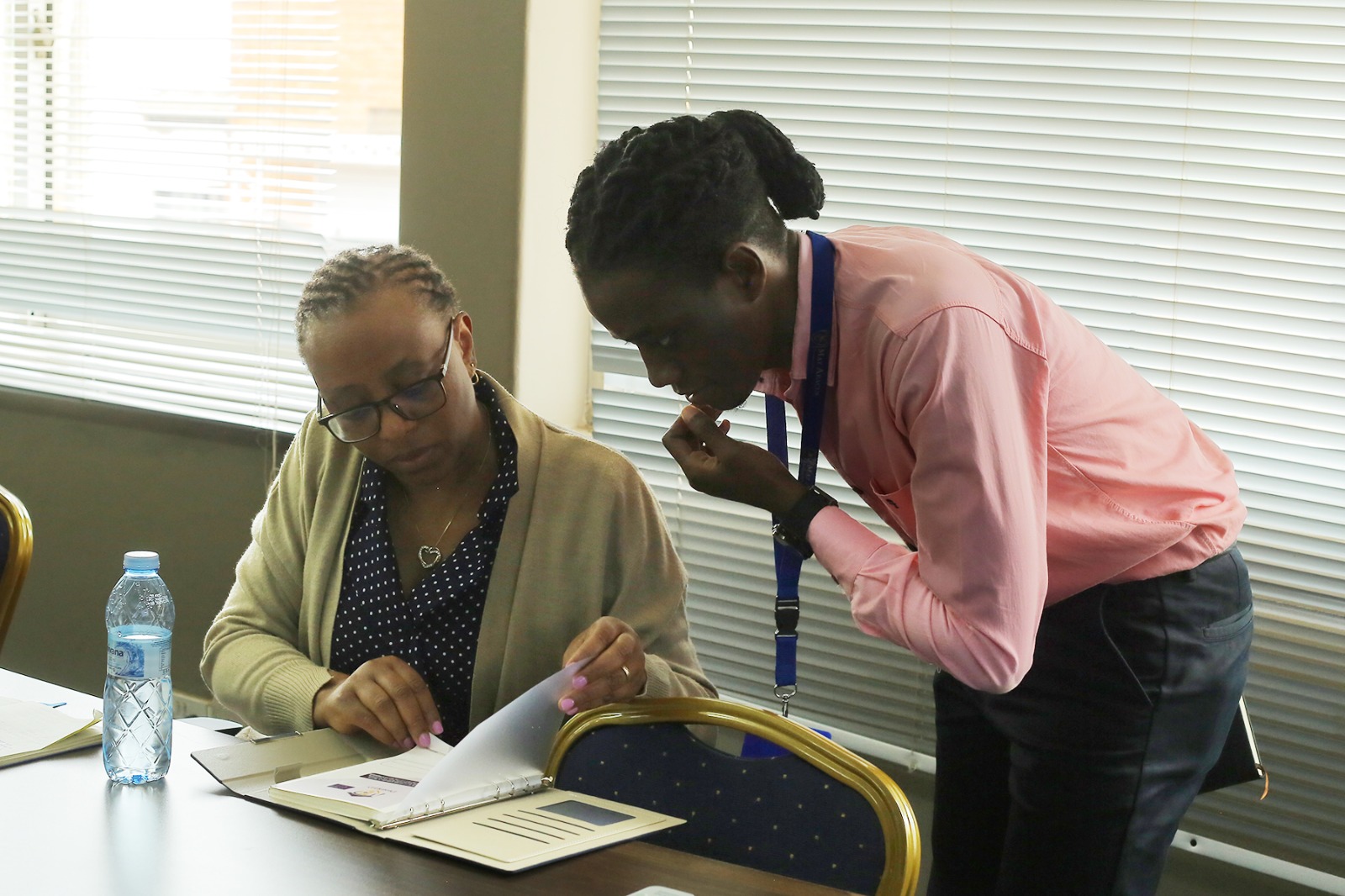
The project adopts a participatory, work-integrated learning methodology involving curriculum reform, industry collaboration, staff and student capacity building, international exchanges, and continuous evaluation for sustainable impact.