Project Activities
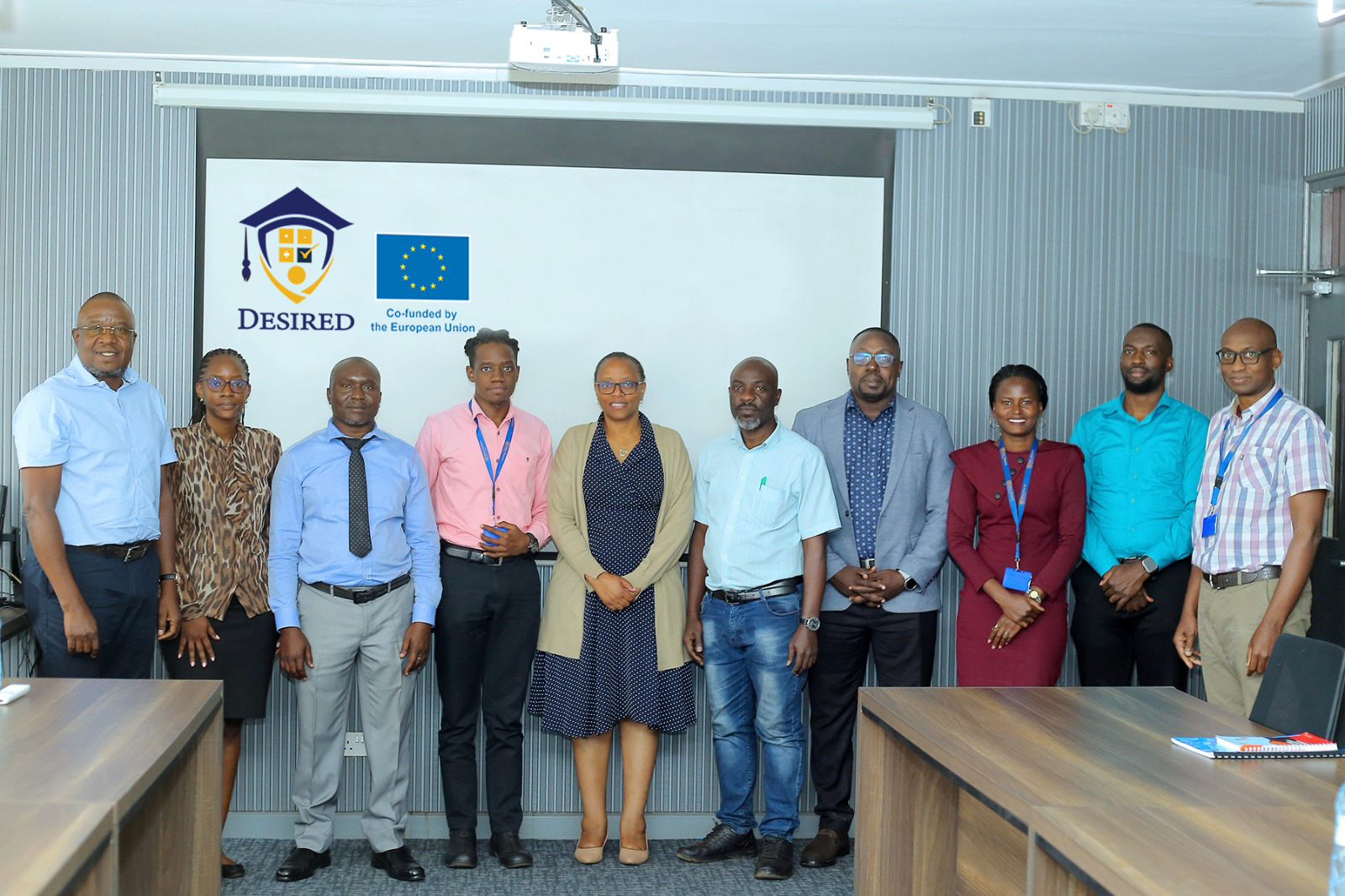
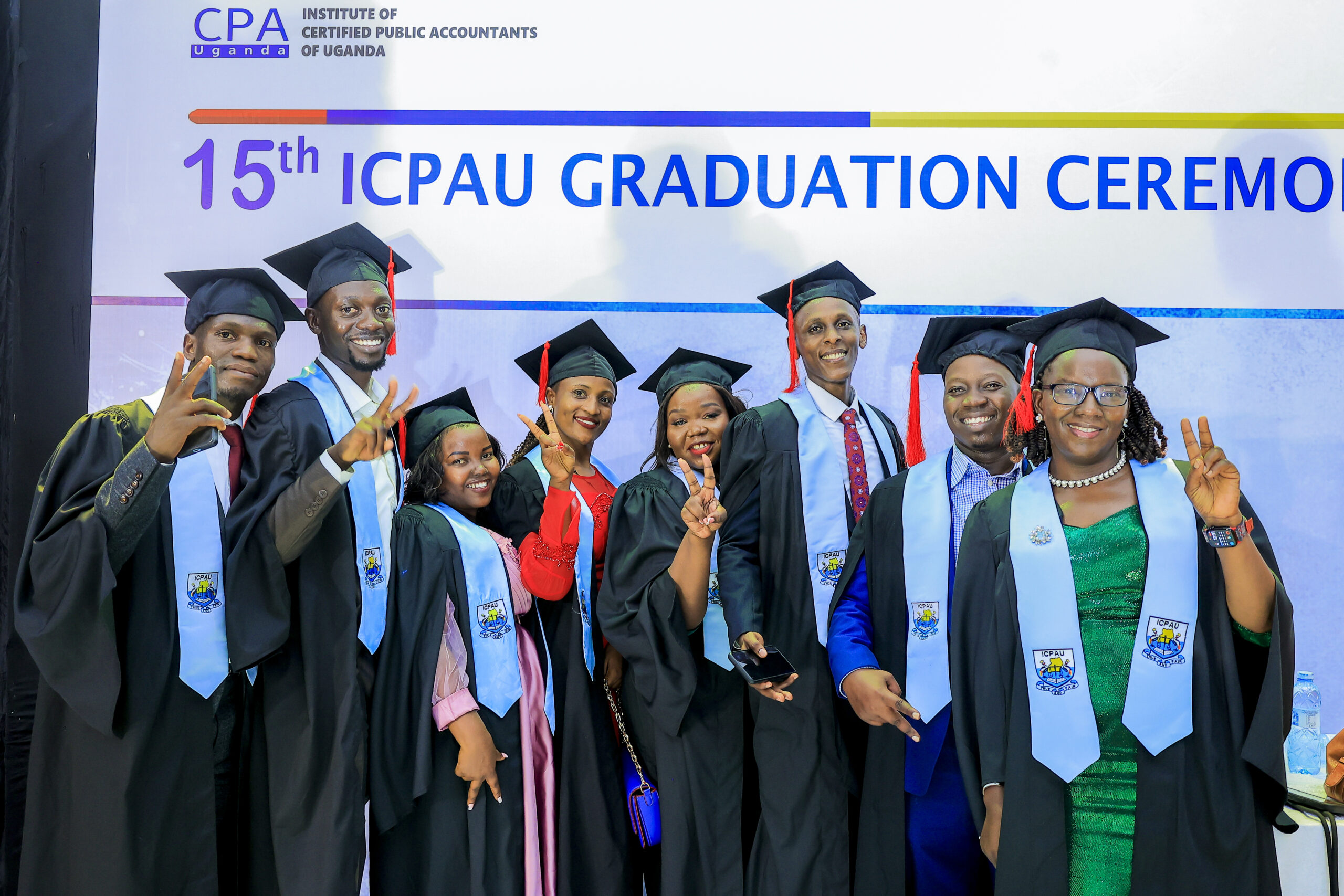
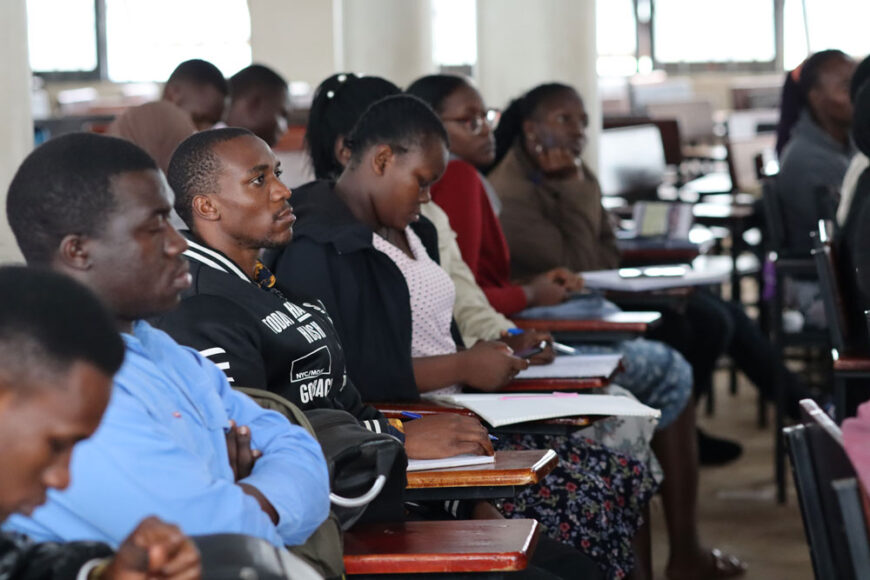
The DESIRED Project is implemented through seven interconnected Work Packages (WPs), each focusing on specific actions—from consortium management to capacity building, industry engagement, and dissemination. Together, they align accounting education with labour market needs in Uganda and Nigeria..
Work Packages
Work Package 1 (WP1): Project Management & Coordination
Conducting initial consortium meetings to identify staff, form project core teams (Supervisory, Work Package Leaders, Financial Management), and plan the project implementation strategy. All partners participate, providing in-kind resources such as meeting venues and office space.
Orientation sessions for project team leaders and staff to strengthen capacity and ensure a shared understanding of project objectives, procedures, and deliverables.
Setting parameters for the Project Advisory Group (PAG) to ensure effective quality monitoring, planning, and coordination across the consortium.
Engaging national and institutional stakeholders (e.g., ministries, professional accounting bodies) to localize project objectives and align the Work-Integrated Learning (WIL) framework to local contexts.
Acquisition of essential equipment and materials to facilitate project administration and communication across partner institutions.
Managing financial disbursement, reporting, and ensuring compliance with EU grant regulations. Activities also include continuous monitoring of project risks and mitigation strategies.
Preparing and signing a consortium agreement outlining roles, obligations, and responsibilities of all project partners.
Developing and approving a comprehensive QA plan outlining performance indicators, reporting structures, and protocols for quality control and evaluation across all work packages.
A detailed report summarizing project performance in the first year, including implementation status and recommendations.
A detailed QA document outlining the project’s quality management strategy, protocols, and performance indicators.
Work Package 2 (WP2): Designing an Accounting Education Work-Integrated Learning (WIL) Quality Control Framework
Mapping existing accounting curricula in Uganda and Nigeria to identify integration gaps in employability and WIL pedagogy.
Designing instruments, rubrics, and assessment templates to ensure consistency and quality in student WIL activities.
Engaging National Council for Higher Education (NCHE) – Uganda, and NUC – Nigeria, to align WIL framework standards.
Preparing the first draft of the Quality Control Framework incorporating feedback from all partners.
Conducting validation workshops with HEIs, employers, and accounting professional bodies.
Incorporating feedback from validation to produce the final WIL Quality Control Framework for use in accounting education.
Preparing the first draft of the Quality Control Framework incorporating feedback from all partners.
Continuous evaluation of the implementation progress of the WIL framework across the HEIs.
Comprehensive WIL framework document applicable across consortium HEIs.
Formalized partnership documents supporting the adoption of WIL across institutions.
Work Package 3 (WP3): Design and Implementation of Work-Integrated Learning (WIL) Activities
Prepare practical procedures for coordinating internships, field projects, and mentorship programs.
Build a database of accounting firms, government agencies, and industries to host students.
Select students for placements using transparent and inclusive criteria.
Train students on workplace ethics, communication, and employability skills.
Track student performance using checklists and feedback forms.
Collect evaluations from supervisors to assess student engagement and learning.
Compile reports on student learning outcomes and skills acquired.
Share successful practices across all participating HEIs.
Instruments and rubrics for evaluating student learning.
Summary of student performance during WIL placements.
Work Package 4 (WP4): Industry Engagements & Employer Relationship Building
Identify industries and employers relevant to accounting and finance.
Create joint committees for curriculum feedback and placement coordination.
Conduct consultative dialogues with employers to shape graduate training.
Sign formal MoUs with employers for student attachments.
Pair students with professional accountants for career guidance.
Gather insights on the competencies employers demand.
Organize public-private partnership exhibitions.
Review and assess the impact of employer engagement activities.
Signed placement and internship agreements.
Consolidated analysis of employer expectations.
Work Package 5 (WP5): HEIs Capacity Building, Students & Staff Knowledge Exchanges
Identify gaps in staff capacity for implementing WIL pedagogy.
Design manuals and toolkits for staff and student training.
Facilitate hands-on sessions on WIL pedagogy and assessment.
Host staff and student exchange sessions between Uganda and Nigeria.
Pair experienced educators with junior faculty.
Strengthen administrative processes supporting WIL.
Evaluate capacity-building effectiveness.
Compile reports for institutional reference.
Analysis of HEI capacity gaps.
Summary of staff training activities.
Work Package 6 (WP6): Learning, International Mobility & Cross-Cultural Exchanges
Design a framework and selection criteria for staff and student exchanges among EU and African partner HEIs.
Nominate staff and students for international mobility programs, ensuring gender balance and equal opportunity.
Coordinate travel, visa, accommodation, insurance, and subsistence arrangements for participants.
Facilitate cross-cultural study visits, job shadowing, and knowledge-sharing between African and EU institutions.
Provide technical guidance and mentorship to African HEIs on implementing WIL pedagogy and student assessment tools.
Collect feedback and assess learning outcomes from participants and host institutions.
Compile a compendium of cross-cultural learning outcomes, challenges, and innovations.
Share mobility outcomes through online platforms, workshops, and reports.
Summary of all international exchanges and key learning outcomes.
Documentation of EU partners’ support and impact on WIL pedagogy.
Work Package 7 (WP7): Impact, Communication & Dissemination
Create a project communication plan outlining branding, media relations, visibility, and digital communication methods.
Develop a web-based platform to share project news, materials, publications, and results.
Design banners, brochures, flyers, and videos to increase project visibility.
Build an online repository for reports, curricula, and WIL tools accessible to all partners.
Encourage joint publications on WIL integration, employability, and accounting education reform.
Conduct public events to share project findings with stakeholders and policymakers.
Assess reach, stakeholder engagement, and awareness created by project activities.
Compile and publish a final impact report summarizing achievements, lessons learned, and recommendations.
Interactive website with project resources and updates.
Joint peer-reviewed paper on WIL integration outcomes.
Repository for WIL manuals, frameworks, and student materials.
Summary of project impact, visibility, and sustainability recommendations.